This post may contain affiliate links. If you buy through them, we may earn a small commission at no extra cost to you.
A small desk doesn’t have to feel cramped or chaotic. In Japanese-style organizing, the goal is to give every object a home so the surface you actually see stays calm. Pair that mindset with Japandi’s soft, natural aesthetic and you get a workspace that feels bigger than it is, even in a studio apartment or dorm room. Here are ten ways to design a minimalist desk setup that works hard in a small footprint.
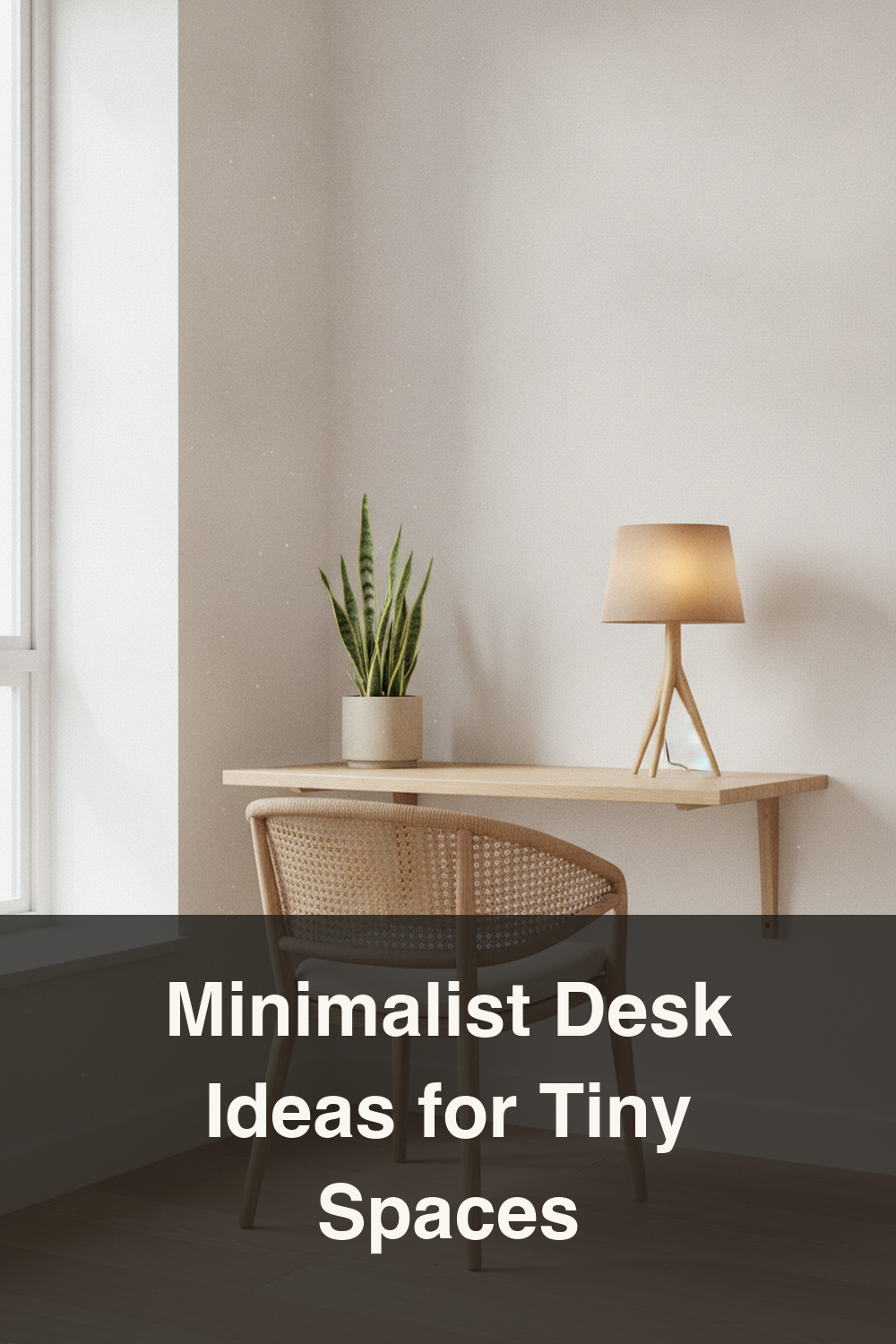
1. Start With a Slim Floating Desk
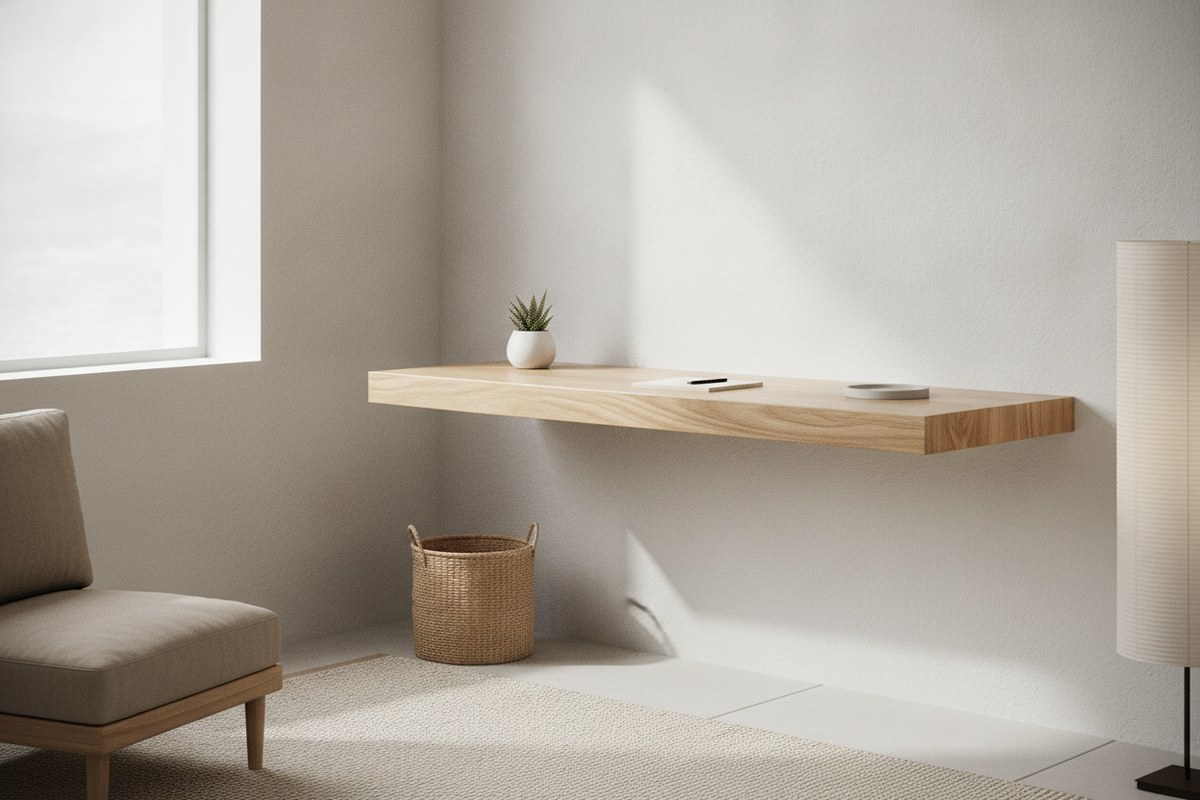
If floor space is tight, a wall-mounted floating wall desk frees up the area beneath it for a chair to slide in, a plant, or nothing at all, which visually opens the room. Look for a shallow depth of 16-20 inches; you need less surface than you think once you commit to keeping only daily-use items on top. Light wood tones or matte white finishes keep the piece from visually competing with the wall.
2. Tuck a Corner Desk Into Dead Space
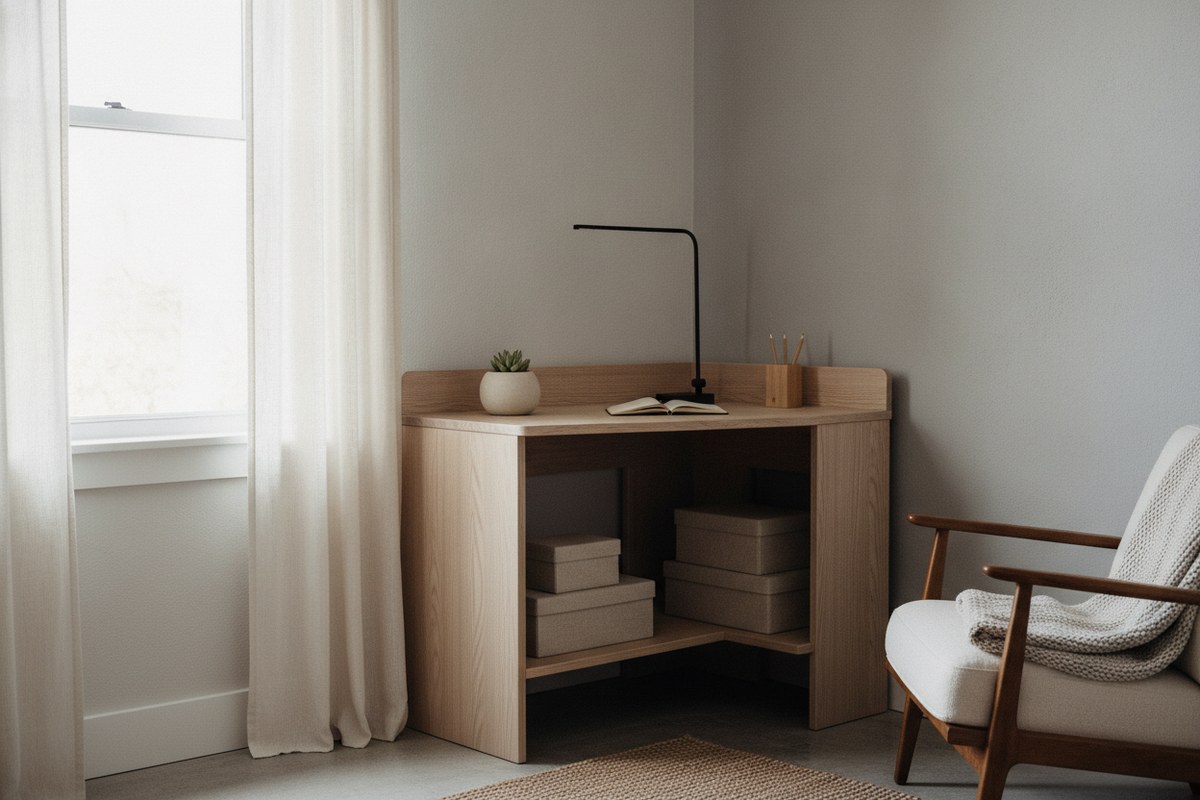
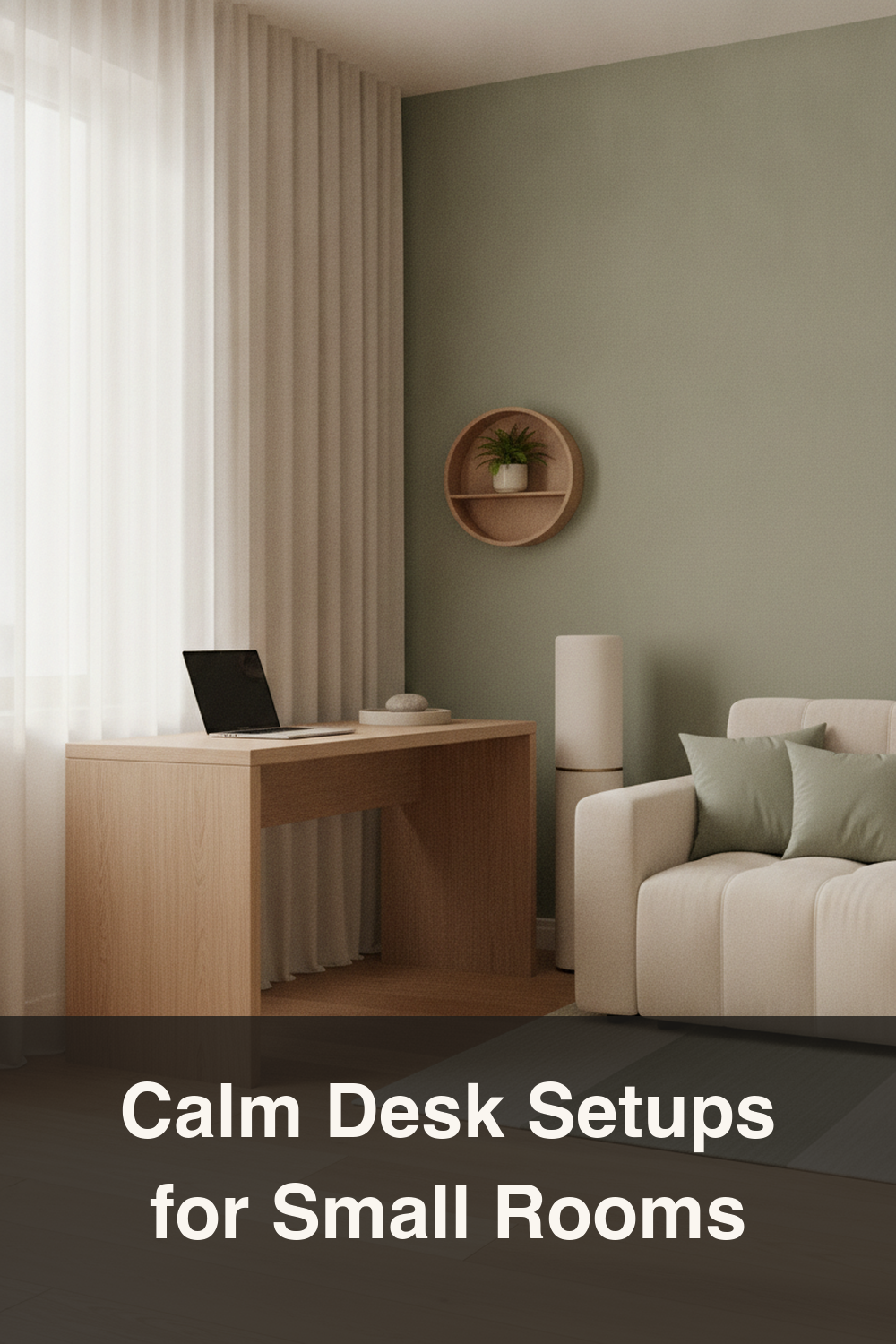
Corners are often wasted real estate in small apartments. A compact corner desk for small spaces uses that awkward triangle of floor without blocking a walkway. This layout also naturally creates a sense of enclosure, which helps the desk feel like its own quiet zone even in a studio with no separate office. Angle your chair toward the window if you can, so the work nook doubles as a light-filled reading corner when you’re not working.
3. Add Vertical Storage Instead of Wide Drawers
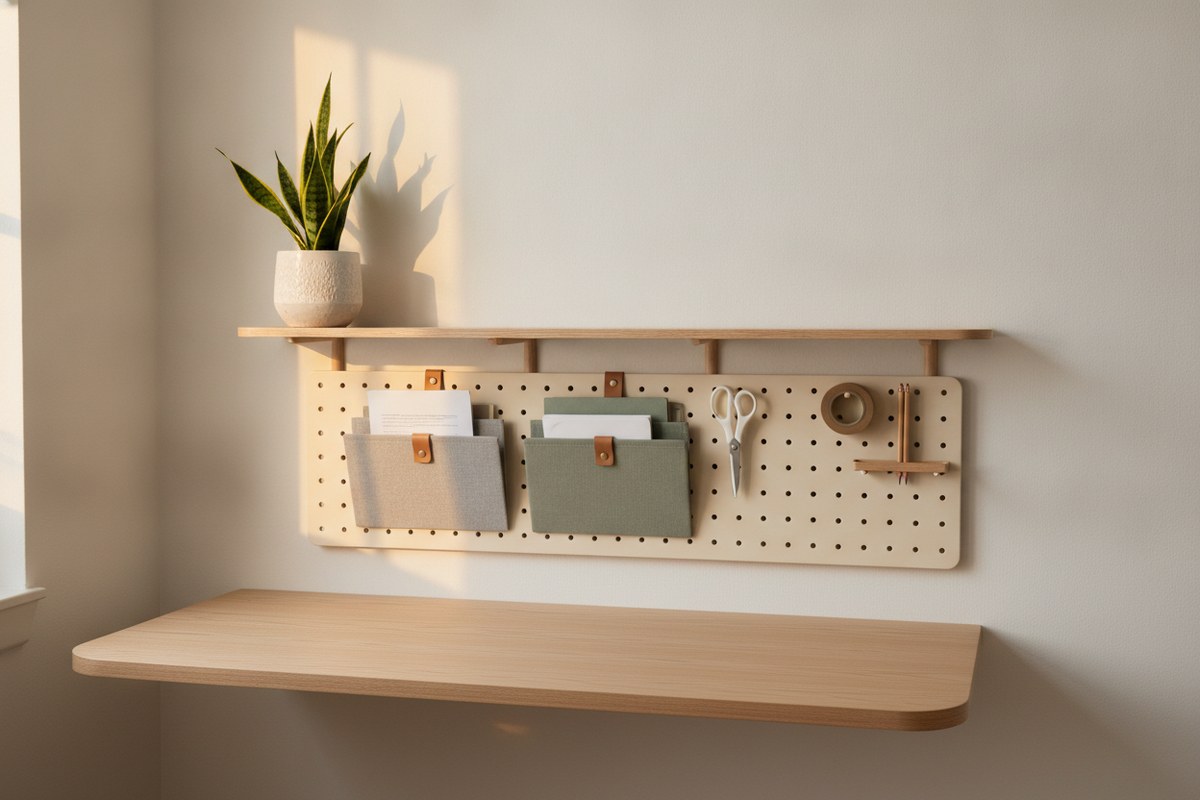
Japanese organizing philosophy leans on vertical space rather than sprawling horizontal storage. Instead of a wide filing cabinet, mount a slim shelf or pegboard above the desk for notebooks, folders, and a small plant. Keeping supplies up and off the desktop mirrors the way small Japanese apartments use wall height to compensate for limited floor area, and it means your actual work surface stays clear for the task at hand.
4. Corral Cables With a Cable Management Box
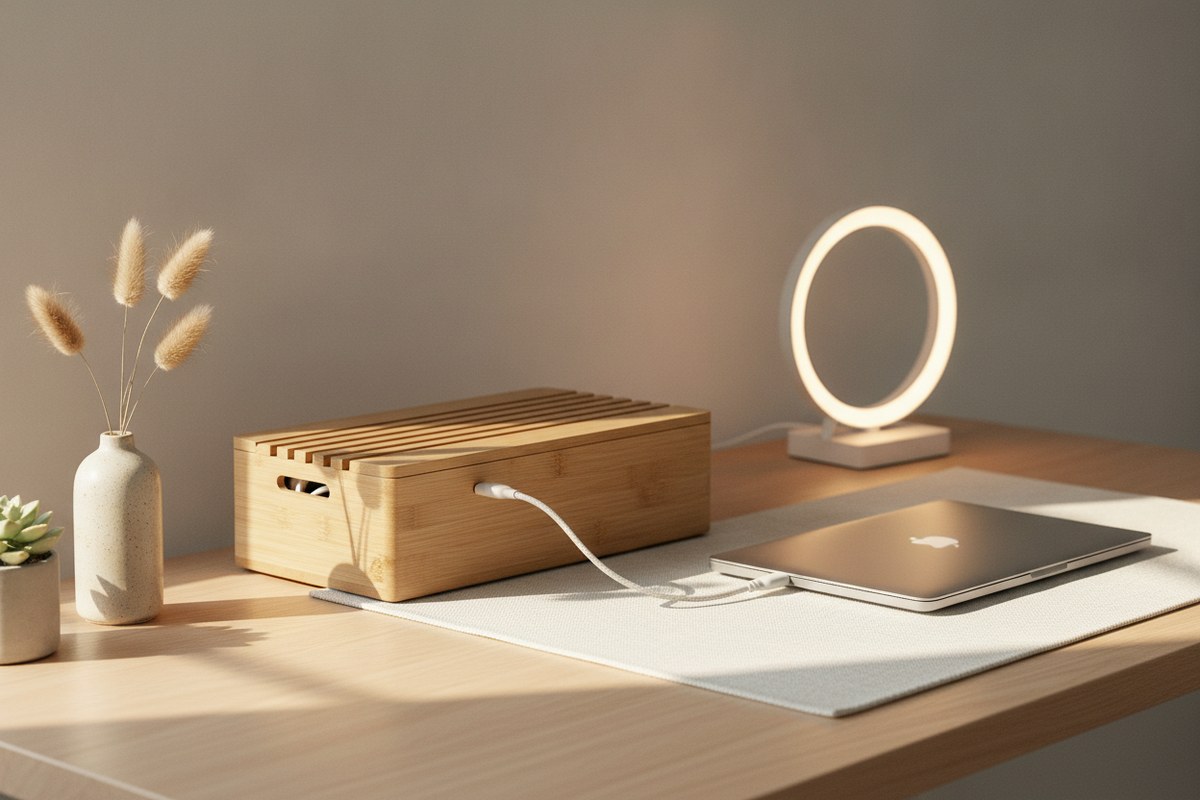
Tangled cords are one of the fastest ways a minimalist desk starts to look cluttered. A simple cable management box hides your power strip and cord bundle out of sight, so the only thing visible is a single clean cable running up to your laptop or monitor. This one small change does more visual heavy lifting than almost any other tweak on this list.
5. Keep Only Today’s Tools Visible
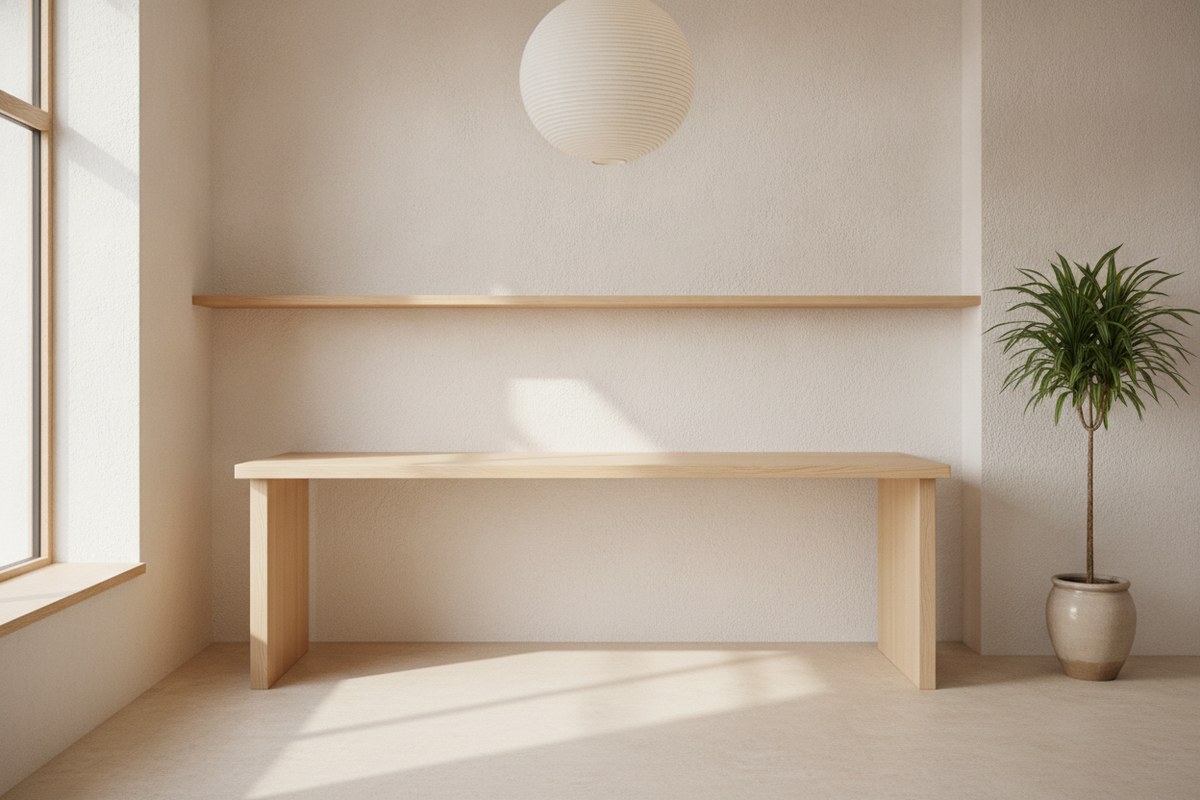
A core idea borrowed from Japanese home organizing is that not everything needs a permanent spot on display, only a permanent spot somewhere. Get in the habit of ending each day with a thirty-second reset: return pens to their cup, close notebooks, and stack loose papers into a drawer or tray. A desk that starts each morning empty feels more inviting to sit down at, and it makes even a tiny desk read as spacious.
6. Use a Desktop Tray to Zone Small Items
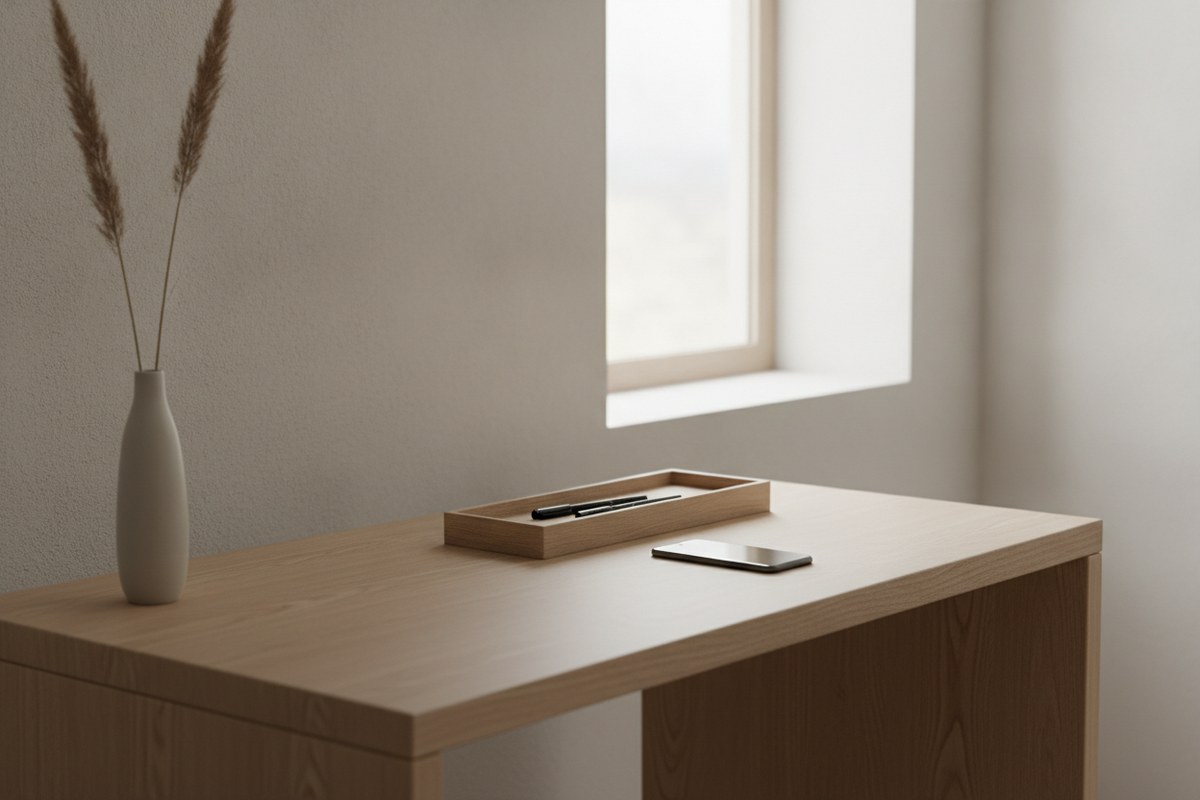
Rather than letting small items drift across the desk, contain them. A shallow desktop storage tray in wood or stone gives pens, sticky notes, and your phone one defined zone, which keeps the rest of the surface open. This kind of quiet zoning is a Japandi signature: a few objects, each with intention, rather than scattered clutter.
7. Choose Under-Desk Drawers That Roll Away
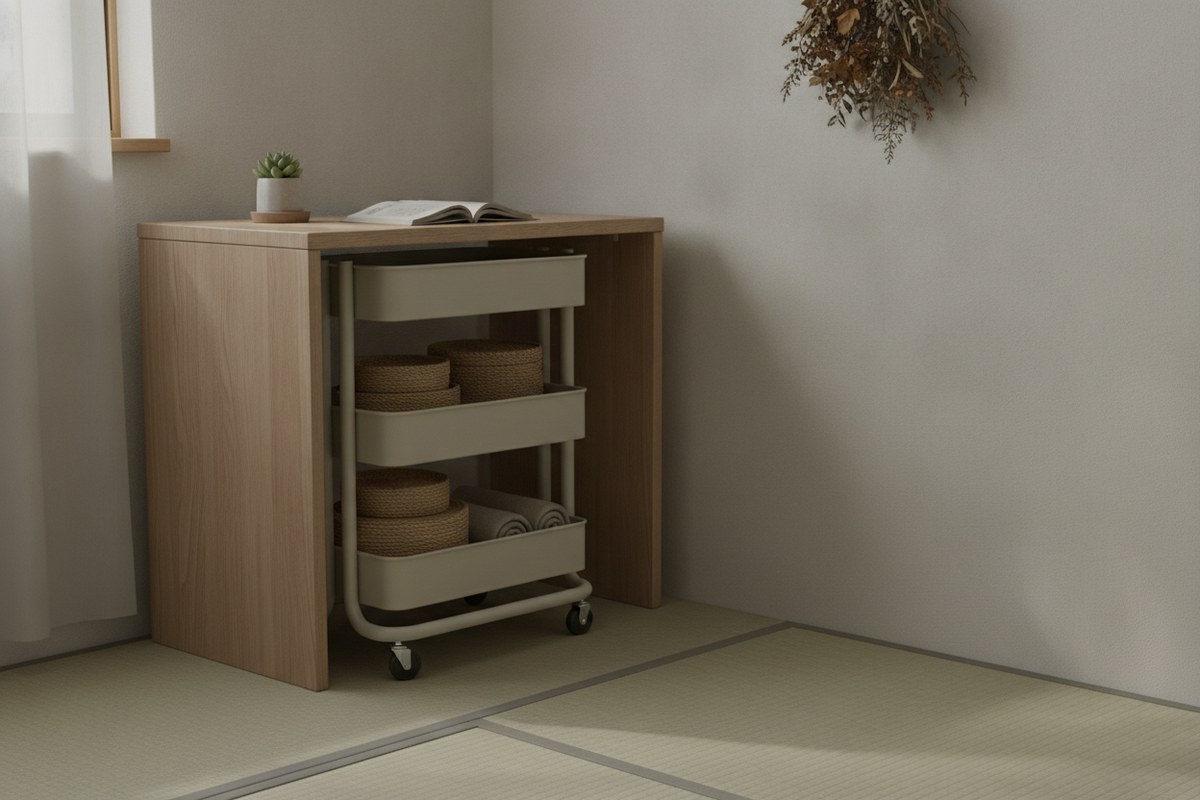
If your desk doesn’t have built-in storage, a narrow rolling under desk drawer cart can slide fully underneath when not in use and pull out for supplies when you need them. This is especially useful in dorms or shared spaces, where you may need to reclaim the desk for other uses during the day. Look for a cart with a soft matte finish so it blends into the base of the desk instead of standing out.
8. Let a Small Lamp Do the Warm Lighting
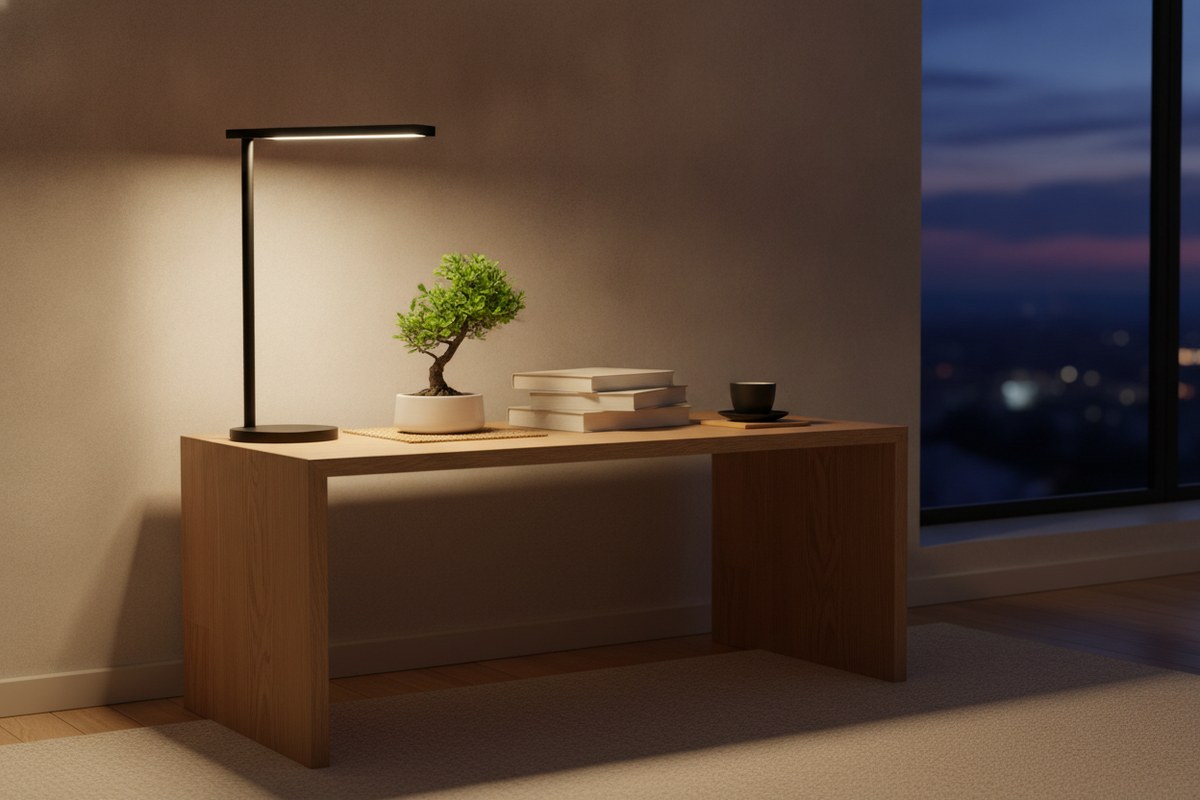
Overhead lighting in small apartments is often harsh and flat. A small LED desk lamp with a warm color temperature adds a soft glow that makes the whole corner feel cozier in the evening, which is a big part of the Japandi feeling of calm. Choose a slim, adjustable arm so the lamp takes up minimal desktop footprint while still directing light exactly where you’re working.
9. Pick a Chair That Disappears Under the Desk
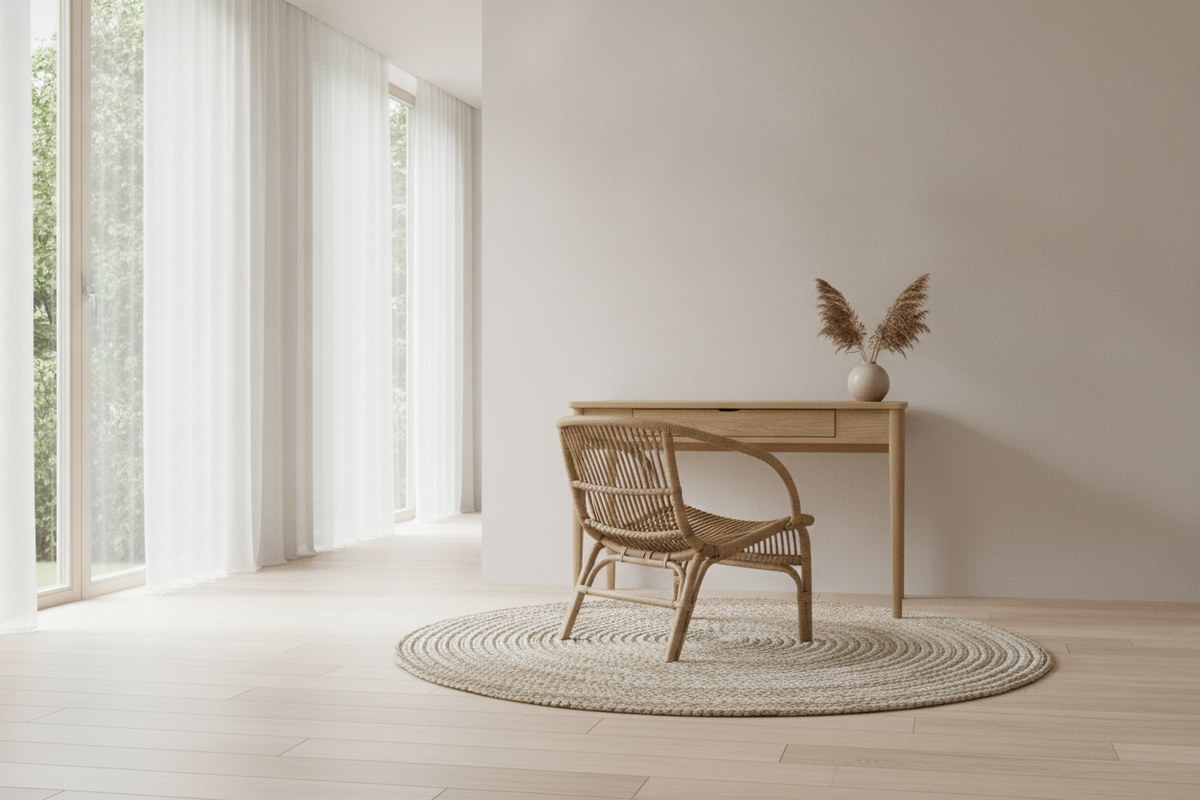
A bulky chair can make a small desk area feel twice as crowded as it actually is. Look for an armless design with a low profile that tucks completely beneath the desktop when not in use, so the whole nook visually resets to empty. Natural woven seats or light wood frames keep the chair in step with a Japandi palette instead of introducing a heavy, mismatched shape into the room.
10. Stick to a Soft, Neutral Palette
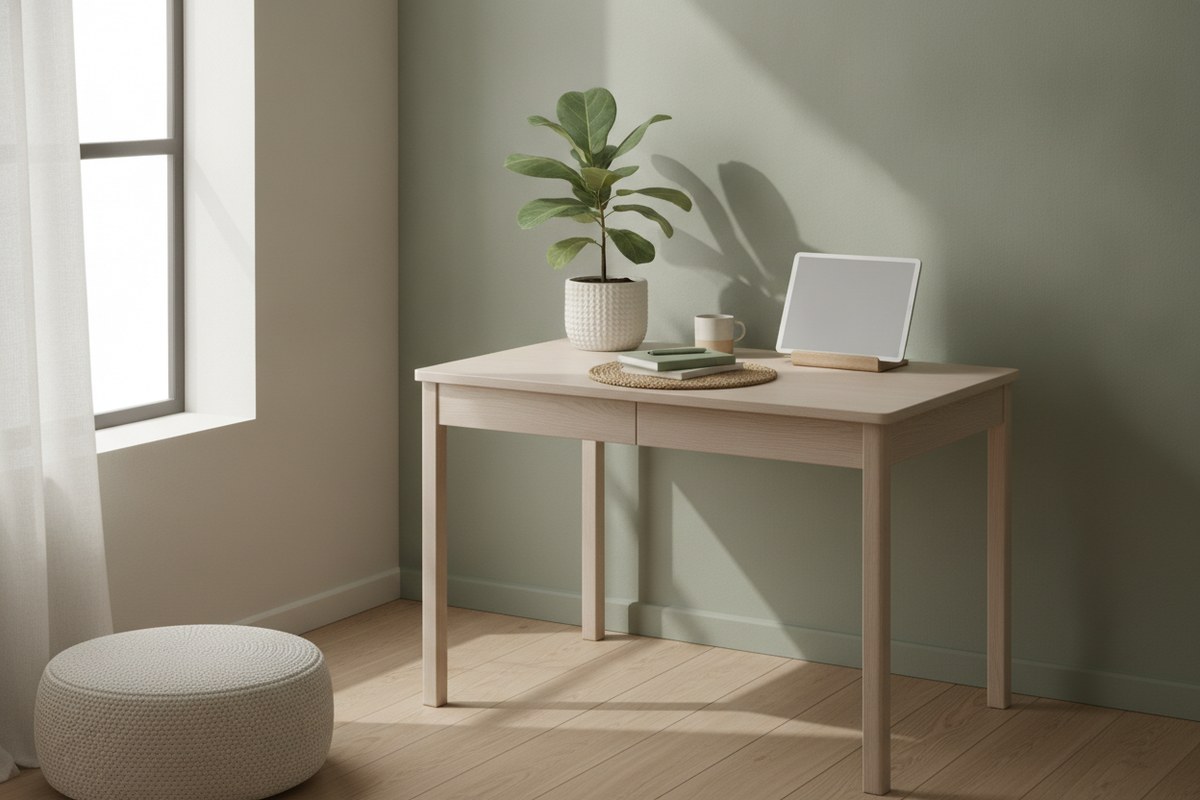
Finally, tie the whole setup together with a restrained color story: warm wood tones, off-white, soft gray, and maybe one muted sage or clay accent. Limiting your palette does a lot of the same work as limiting your object count, it keeps the eye calm even in a compact space. Save any bold color for a single small item, like a mug or a plant pot, so it reads as an intentional accent rather than visual noise.
Small desks reward a little discipline, but the payoff is a corner of your home that feels genuinely peaceful to sit down at every day. Start with one or two of these changes, whether it’s hiding your cables or finally clearing yesterday’s clutter, and build from there.