This post may contain affiliate links. If you buy through them, we may earn a small commission at no extra cost to you.
You don’t need a spare room to have a reading nook—you need the right layout. In small apartments, the trick is borrowing from Japanese organizing principles: use multi-functional furniture, keep sightlines clear, and let one quiet corner do a lot of emotional work. Below are ten layout approaches that carve out a cozy spot to read without eating into your square footage or your peace of mind.
1. Tuck a Nook Into an Unused Corner
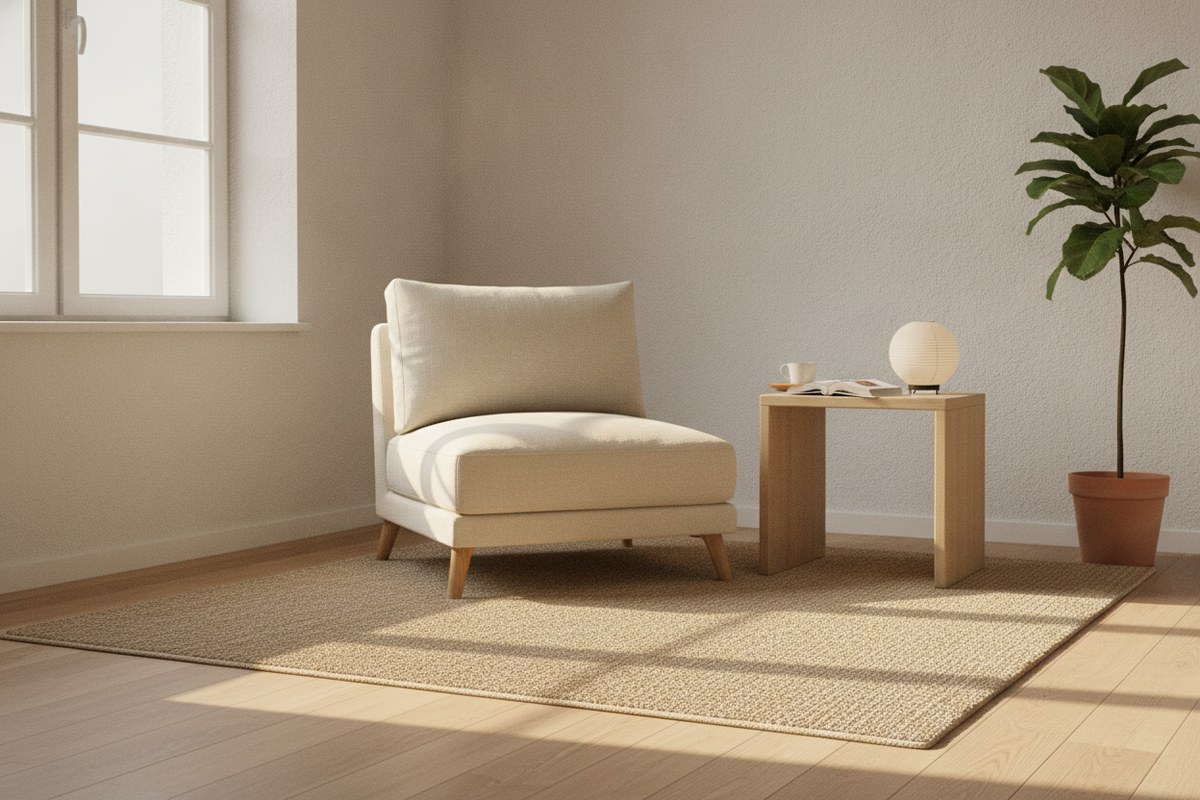
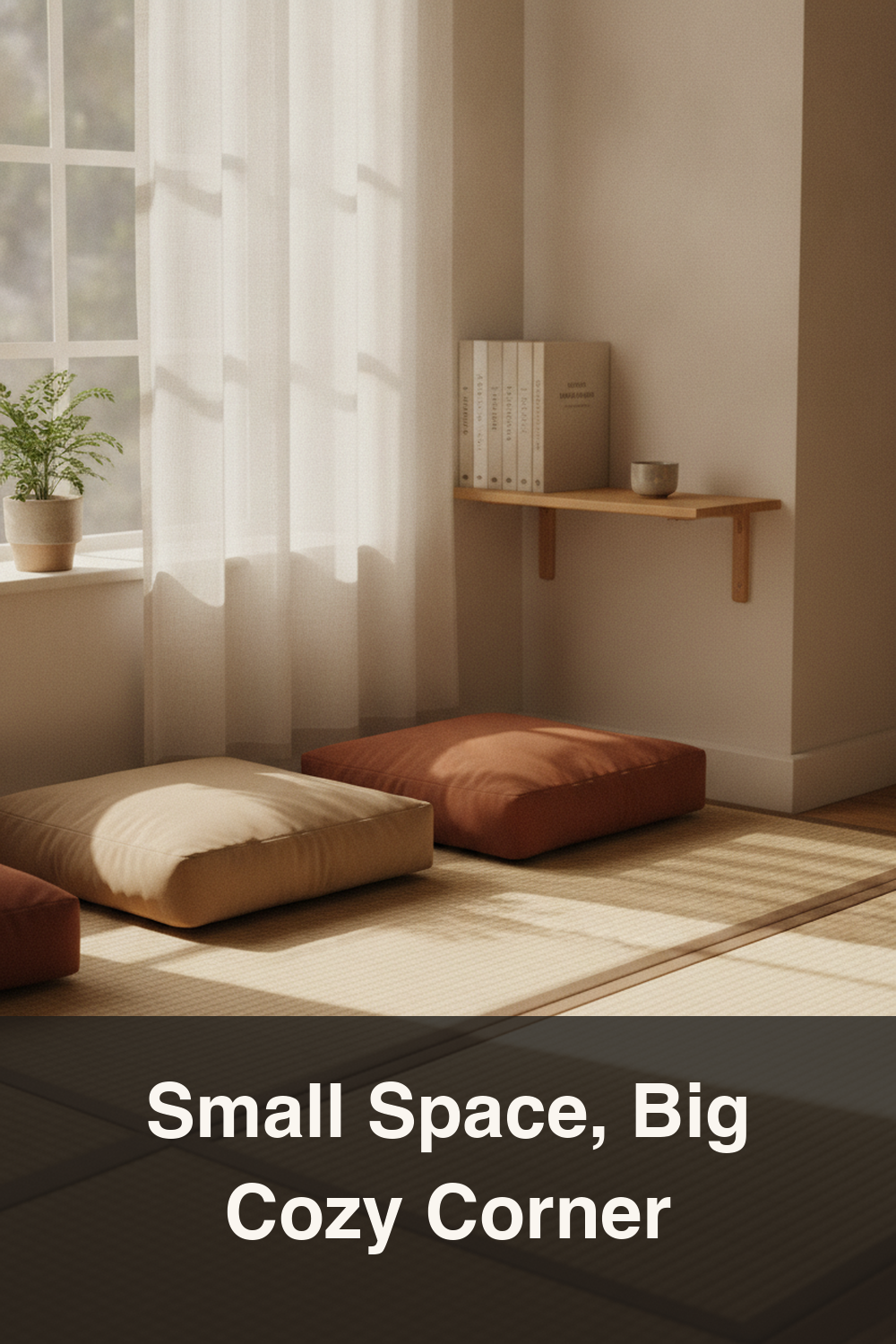
Every apartment has a dead corner—next to a bookshelf, behind a door, or beside a radiator. Instead of letting it collect clutter, place a low floor cushion or a compact low-profile armchair at an angle facing into the room. Angling the seat, rather than squaring it to the wall, tricks the eye into seeing more space and makes the corner feel intentional rather than leftover.
2. Build a Layout Around a Window Bench
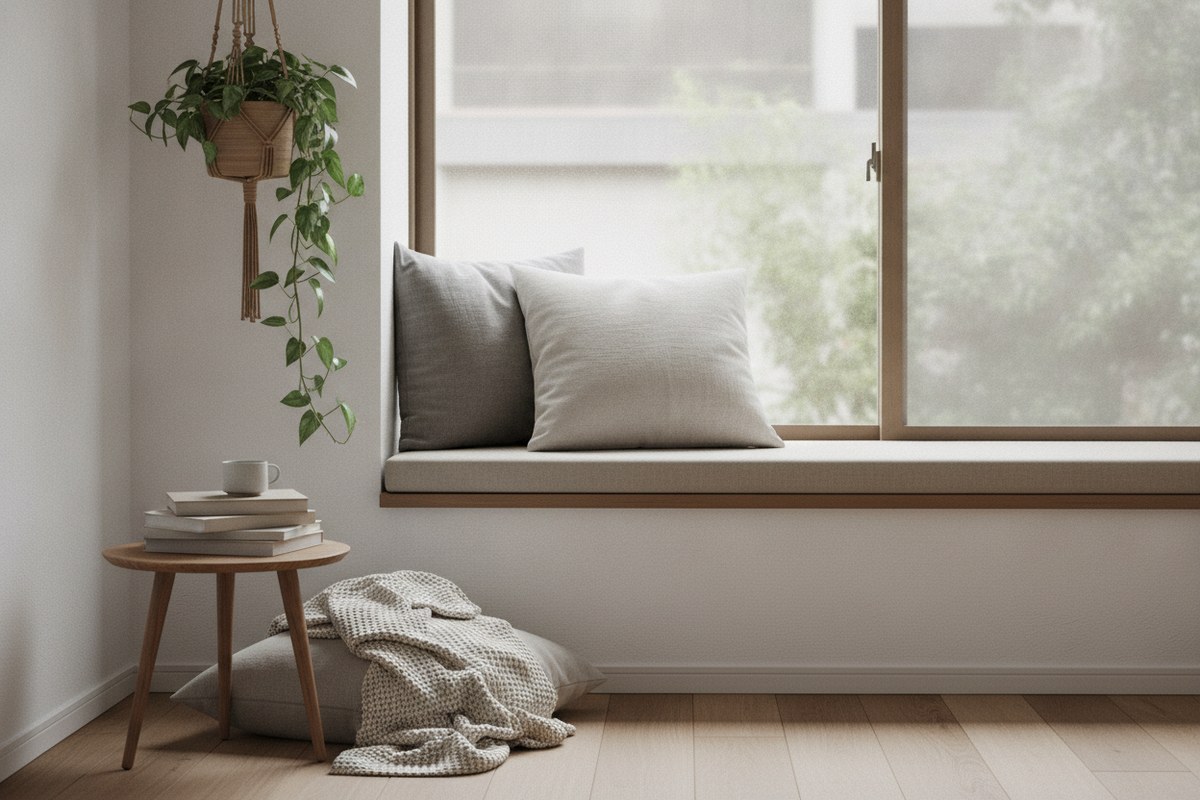
Window seating is the closest thing Western apartments have to the engawa—the covered veranda that blurs indoor and outdoor life in traditional Japanese homes. If your window has a ledge or radiator cover, add a slim cushion and a couple of floor cushions for back support. Keep the sill itself nearly empty—just one small plant or a candle—so the view stays the focal point instead of getting visually crowded.
3. Use a Room Divider to Frame the Space
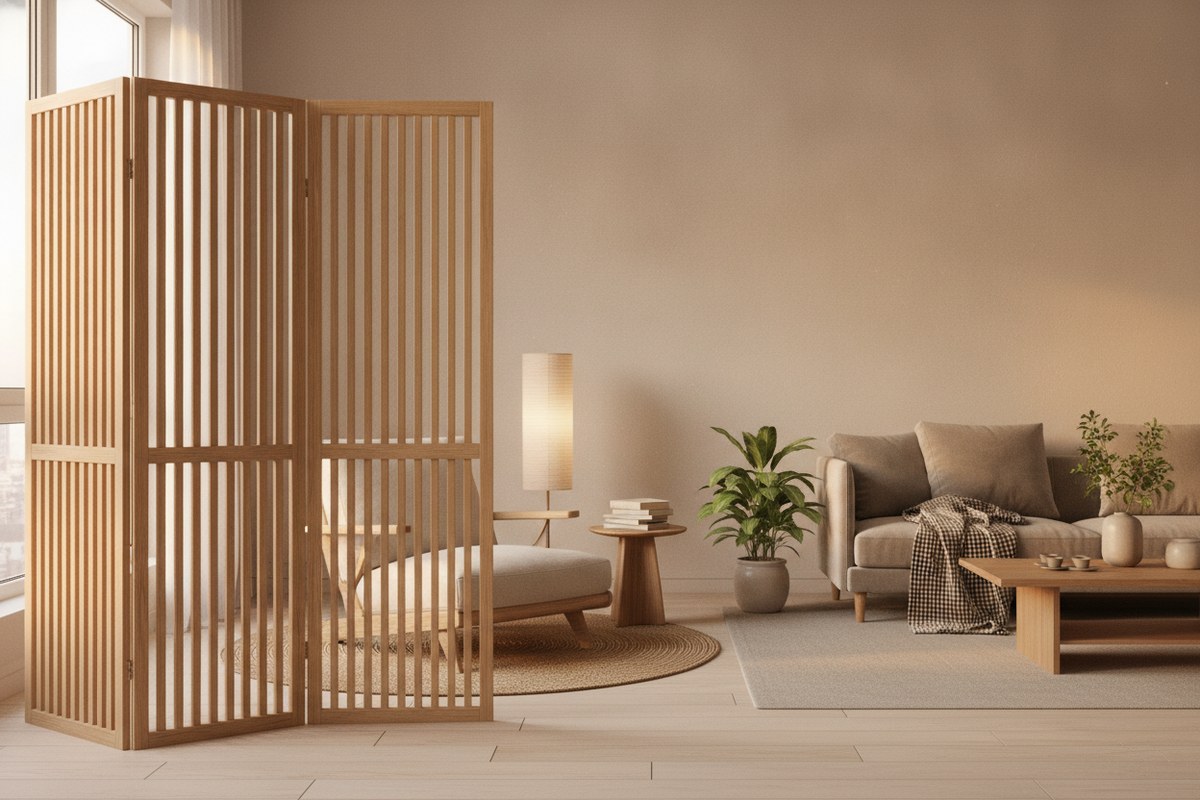
In studios, privacy is often the missing ingredient for a cozy nook. A lightweight folding screen room divider can section off a reading corner from a sleeping or working area in seconds, and folds flat when you want the room open again. This mirrors the shoji screen approach—flexible boundaries instead of permanent walls, so one small apartment can serve several moods throughout the day.
4. Let a Floating Shelf Double as a Mini Nook
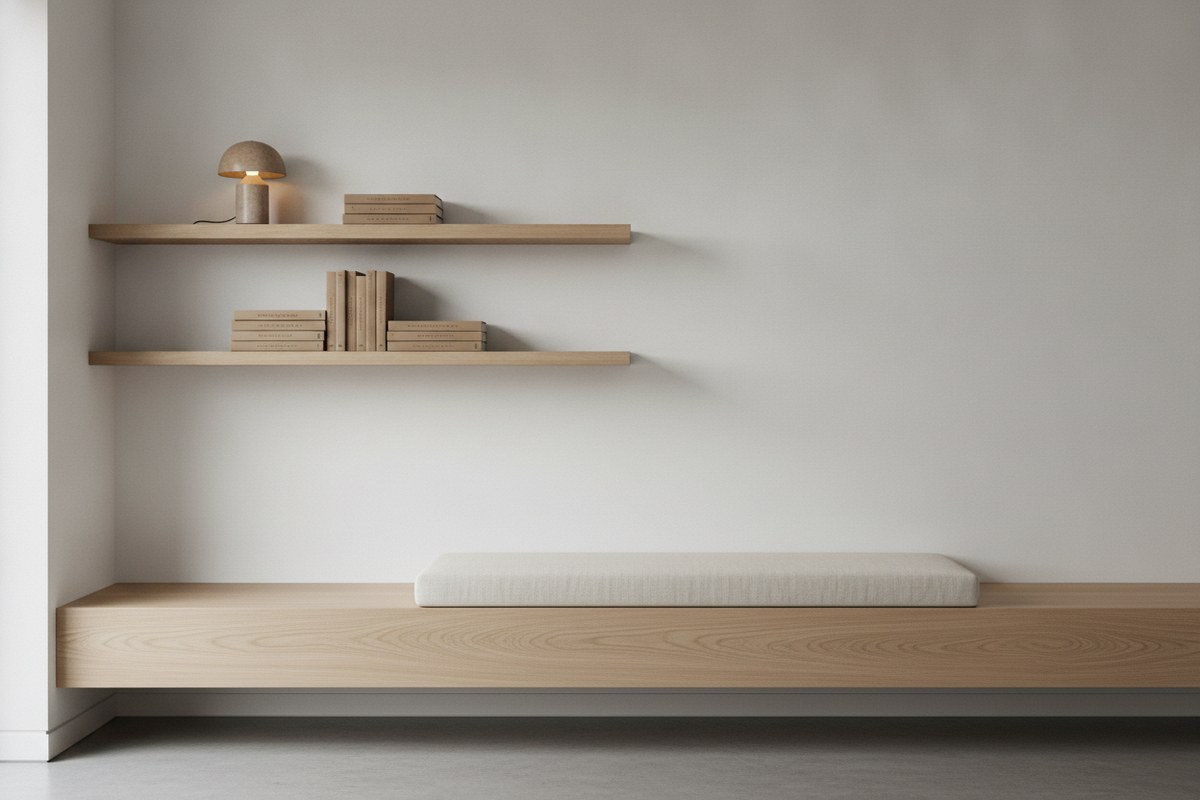
If floor space is truly nonexistent, go vertical. Install a floating shelf at seat height along a wall, wide enough to sit on with a cushion, with narrower shelves above for a small lamp and a short stack of books. This layout borrows from Japanese tansu-style built-ins: everything is planned to a precise measurement, so nothing overhangs or feels makeshift.
5. Convert a Closet Into a Reading Alcove
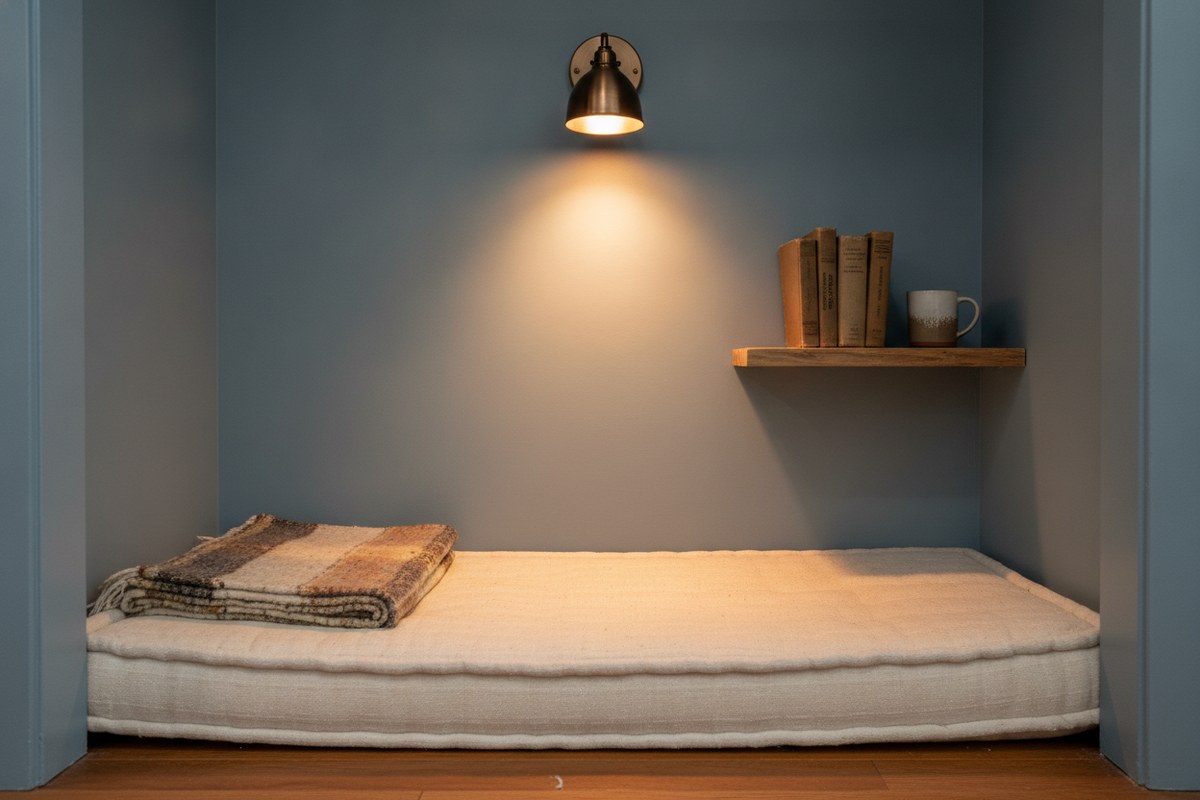
A shallow closet with the door removed can become a surprisingly snug nook. Add a thin seat cushion at the base, a battery-powered or plug-in wall sconce, and one small shelf for your current read. Because the space is naturally enclosed on three sides, it already has the hushed, cocoon-like quality people pay extra for in a reading room—no extra square footage required.
6. Anchor the Layout With a Bay Window
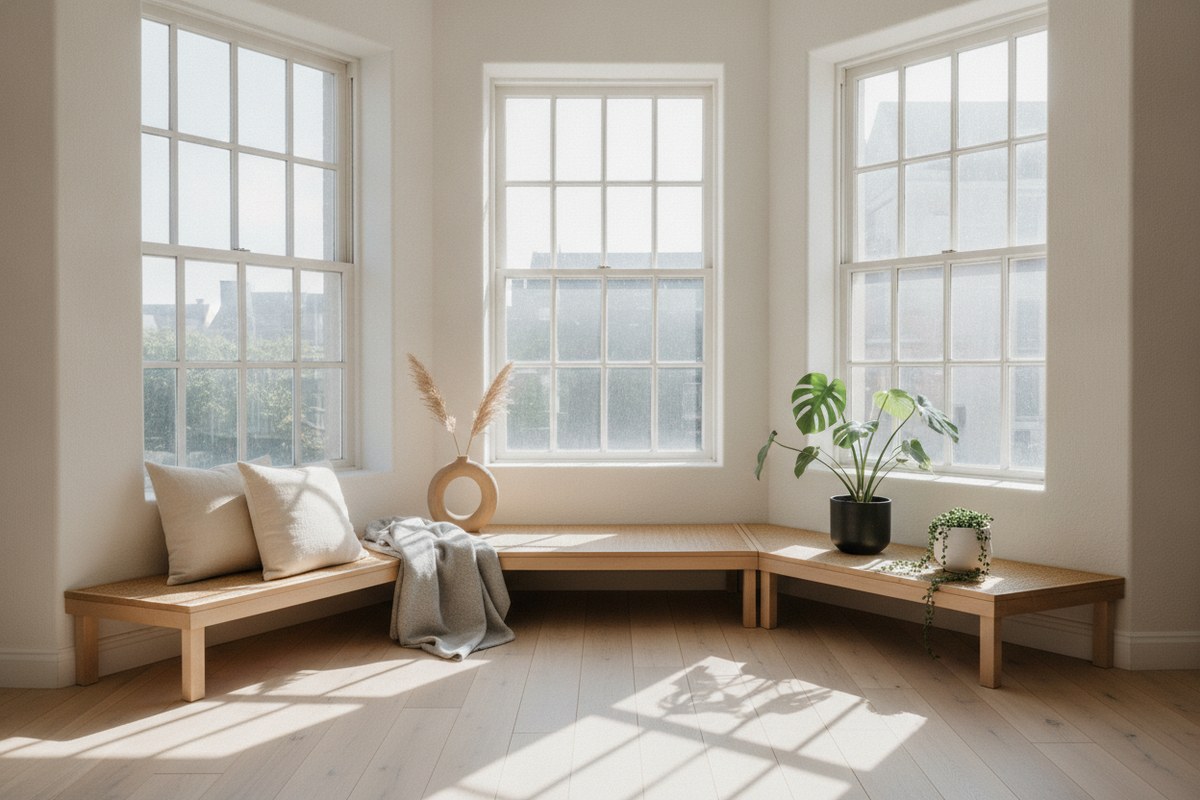
If you’re lucky enough to have a bay or bump-out window, treat it as its own micro-room. Place a low bench or a wide floor cushion inside the alcove, then use the bay’s natural boundary lines as your nook’s edges—no need for extra furniture to define the space. A tatami-style floor mat underneath adds warmth and visually signals “this is a separate zone” without a single wall.
7. Create an L-Shaped Layout With Existing Furniture
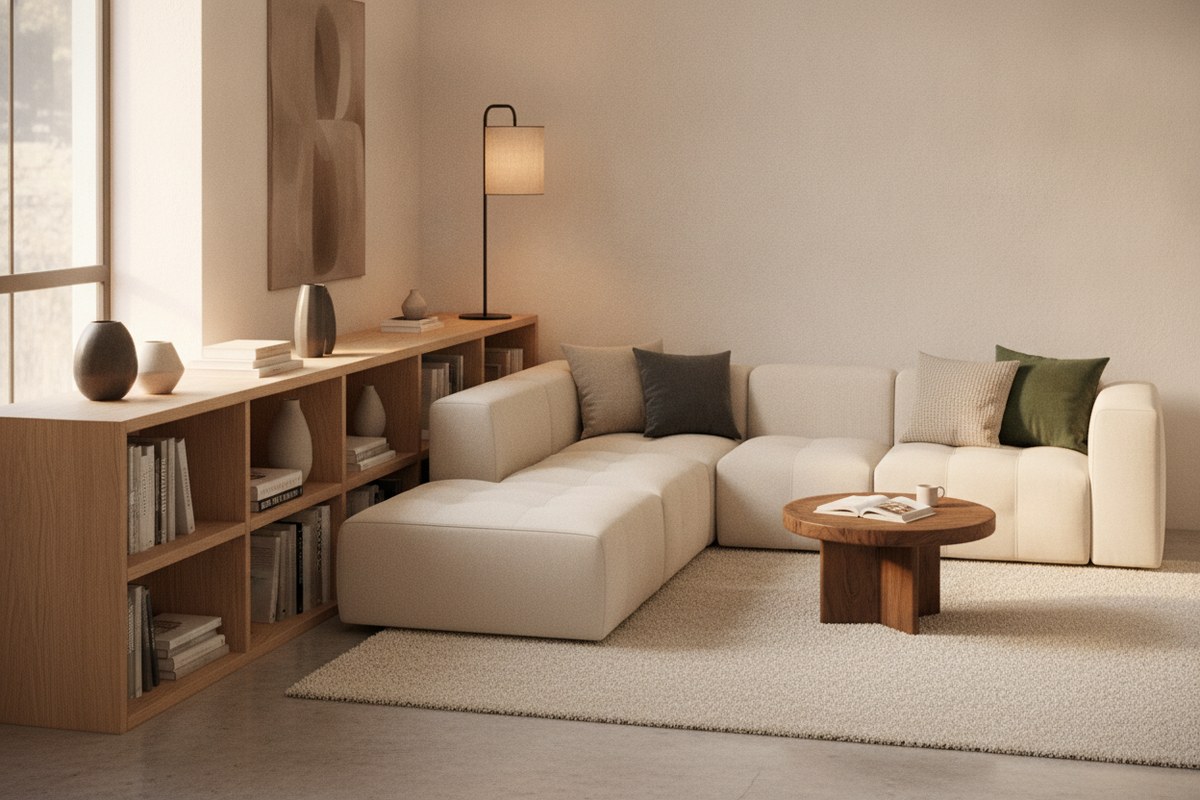
Instead of buying new pieces, angle your sofa or bed so it forms an L-shape with a bookshelf or dresser. The inside corner of the L becomes a naturally sheltered reading spot. Add a slim corner floor lamp to define the pocket of light, and you’ve created a nook using furniture you already own—very much in the spirit of Japanese organizing, which favors rearranging over acquiring.
8. Extend the Nook Onto a Balcony or Lanai
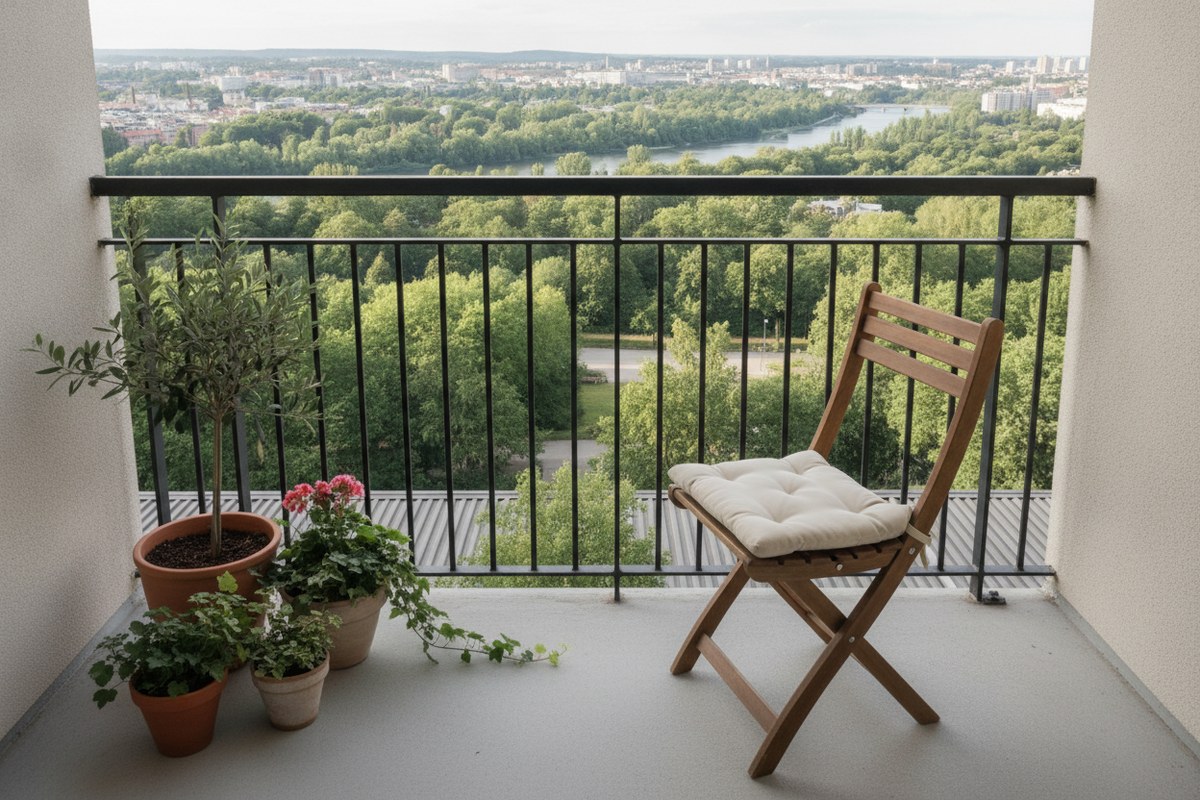
If your apartment has even a narrow balcony, a foldable chair and a small weatherproof cushion can turn it into a warm-weather reading spot that doesn’t cost you any indoor square footage. Keep a lightweight foldable outdoor chair stored just inside the door so it’s an easy in-and-out setup rather than a permanent fixture.
9. Position the Nook at the Foot of the Bed
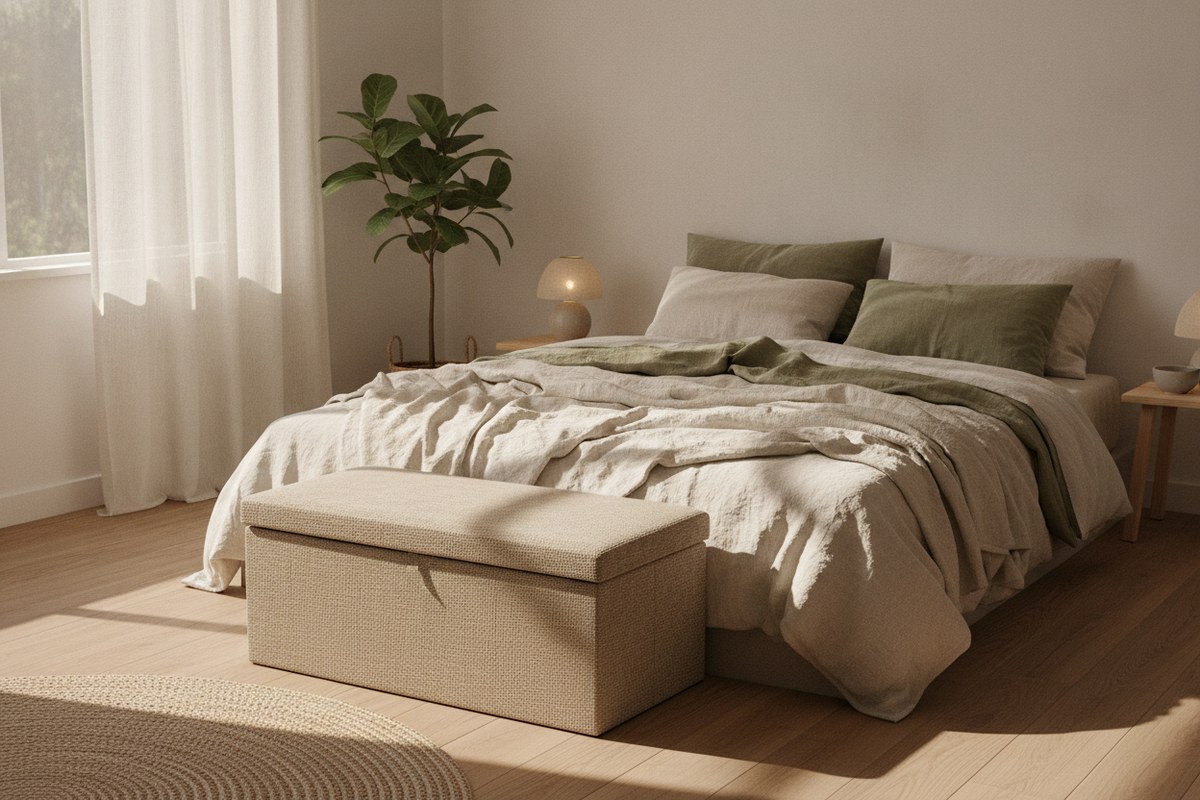
In a studio or small bedroom, the foot of the bed is often unused space. A storage ottoman bench placed there gives you a seat for reading and hidden storage for blankets or extra books, all in one footprint. Because it doubles as bedroom storage, it satisfies the Japanese principle of choosing furniture that earns its place through function, not just looks.
10. Design a Vertical Nook for Tall Ceilings
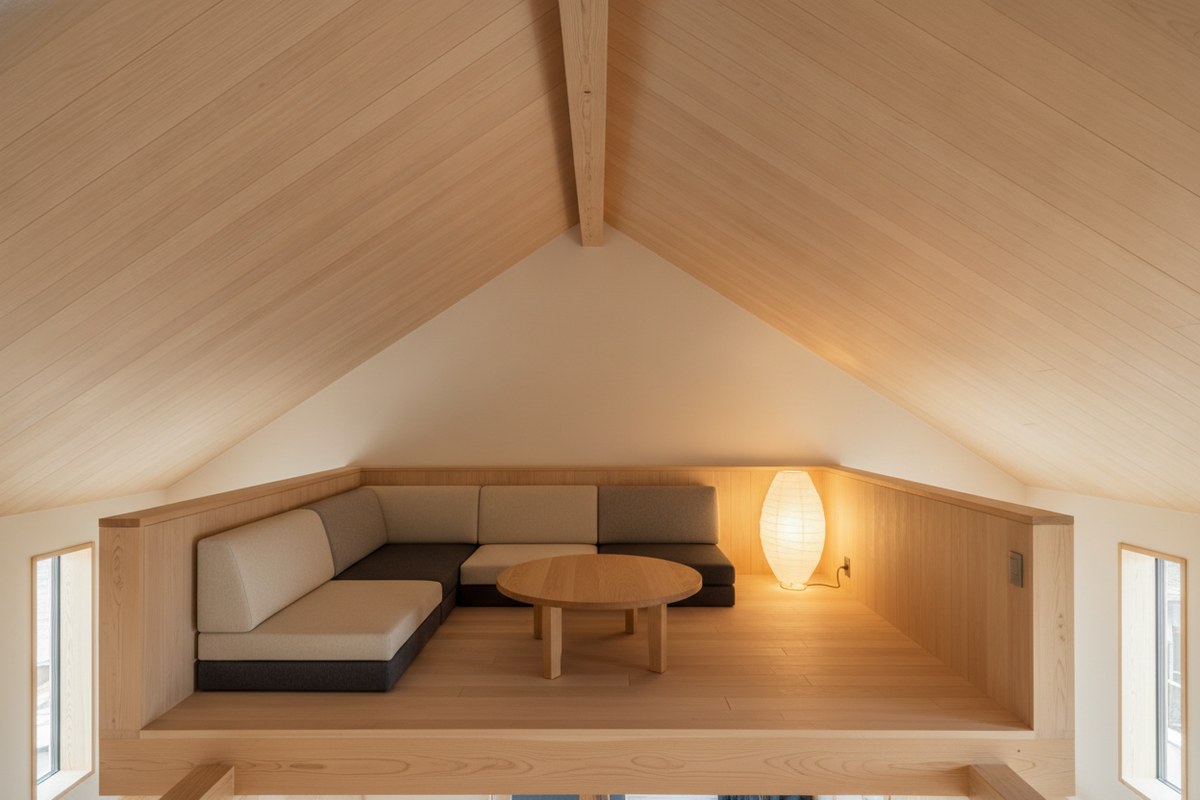
If your apartment has high ceilings or a loft ladder, consider a reading perch up above the main living area. A cushioned platform, a low table, and a single soft light source turn unused vertical space into a private retreat. Keep the footprint small and the palette calm—natural wood tones and one linen cushion go a long way—so the nook feels like an intentional pause rather than a cramped afterthought.
The through-line in all ten layouts is restraint: one seat, one light source, one small surface for your book and tea. That’s the Japandi-meets-Japanese-organizing approach in a nutshell—fewer objects, clearer purpose, and a layout that lets your small apartment breathe while still giving you a corner that’s entirely, cozily yours.